

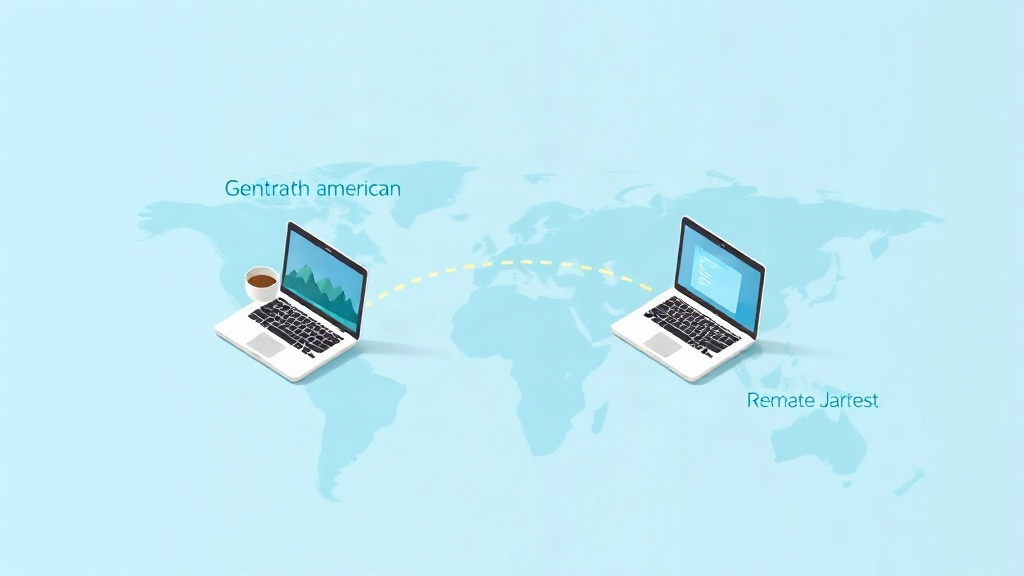
Quick Answer: Offshoring application development means hiring a software team in another country to design, build, and maintain your app or platform. It works well when the project is clearly scoped and cost matters; it works poorly when you need daily in-person collaboration or highly specialized skills with no documented vetting process.
If you are trying to build a custom software application and are debating if you should opt for an offshore software development company or not, and come to a conclusion if that even is right for what you are building, keep reading.
What Offshoring Application Development Actually Means
Offshoring application development means contracting a team based in another country to handle part or all of your software build, rather than hiring locally or using a domestic agency. It differs from general outsourcing in scope: outsourcing can mean handing work to any third party, including a local freelancer, while offshoring specifically crosses borders, usually to access lower labor costs or specific technical talent.
Before deciding whether offshoring fits your project, weigh three things: how well-defined your requirements already are, how much hands-on daily input you can realistically give, and whether the skills you need (AI integration, for example) are scarce or expensive locally. A startup with a tight, documented spec for a mobile app is a strong offshoring candidate. A team still figuring out product-market fit, needing constant pivots, may struggle with the communication lag offshoring can introduce.
How Offshoring Application Development Works
Offshoring development follows a structured engagement flow, not a one-off handoff. A typical sequence runs through discovery, scoping, build, and deployment, each with its own deliverables.
Discovery
the offshore team maps your current workflows, data sources, and the specific problem the software needs to solve.
Scoping
both sides agree in writing on what the system will and won't do, success metrics, and integration points with existing tools.
Build
engineering and design work proceeds in iterative sprints, with regular check-ins.
Deployment and monitoring
the system goes live, followed by performance tracking and adjustment.
Communication and timezone handling determine whether this flow holds together. Overlapping working hours, even two or three per day, let you review progress and flag issues before they compound. Asynchronous updates (written standups, recorded demos) fill the rest of the gap.
Expert Advice: Request a written scope document before kickoff, even for a small project. It forces both sides to agree on success metrics before any engineering time is spent.
Should I Hire a US-Based Agency or Outsource Overseas?
Neither option is automatically correct; the right choice depends on budget, how hands-on you need to be, and whether your project needs specialized skills that are hard or expensive to find locally. Offshore teams typically offer lower rates and can move quickly once a project is well-scoped, since many run structured, sprint-based processes. US-based agencies suit teams that need frequent in-person collaboration, same-timezone urgency, or deep familiarity with US regulatory or industry context.
If your project involves custom AI software, specifically, the deciding factor often shifts toward whichever team can show a real process: discovery, architecture documentation, and a support model that continues past launch, rather than which side of a border they sit on.
Reality Check: A fixed price quoted before anyone has reviewed your data environment is a warning sign regardless of where the team is based.
Native App Vs. Cross-Platform: Which Should You Build?
Native apps generally perform better and access device features more fully, while cross-platform apps ship faster and cheaper from a single codebase. Native development means writing separate code for iOS and Android, which increases cost and timeline but gives you full access to camera, sensors, and OS-level features without workarounds.
Cross-platform frameworks let one codebase run on both platforms, cutting build time and budget, but can trade off some performance and a fully native feel. The right call depends on your constraints:
- Choose native if the app is performance-critical (gaming, AR, hardware-heavy features) or needs deep OS integration.
- Choose cross-platform if speed to market and budget matter more than squeezing out maximum performance.
A retail app focused mainly on browsing and checkout is a reasonable cross-platform candidate. A fitness app relying on real-time sensor data leans native.
What Offshoring Costs and What Drives the Price
Offshoring costs depend on scope, team seniority, and region, not a flat rate you can quote in advance. A tightly scoped project with a junior-to-mid team costs less than an open-ended build requiring senior architects and ongoing AI model maintenance.
Three factors drive the price most:
Scope clarity
vague requirements lead to change orders, which add cost mid-project.
Team seniority
senior engineers and architects cost more per hour but reduce rework.
Region
labor cost benchmarks vary meaningfully by country and local market conditions.
Ask any offshore partner how scope changes are priced mid-project before signing anything. Vague or evasive answers on pricing structure are a signal to keep looking.
How to Vet an Offshore Development Partner
Vetting an offshore partner means checking process, not just portfolio screenshots. A strong partner can demonstrate the following before you commit:
Portfolio relevance
have they built systems in a comparable domain or data environment?
Communication cadence
what do weekly reporting or check-ins actually look like during the build?
IP protection
who owns the code, data, and any trained models once the project ends?
References
can they provide a client in a similar industry willing to speak to the engagement?
A partner that cannot produce architecture diagrams or documentation from a past project likely won't produce them for yours either. Clear documentation and defined support processes are equally important when developing custom AI solutions
If you're weighing an offshore engagement against building with a US-based AI and custom software team, start with a conversation about your specific project before comparing rates.
Frequently Asked Questions
Neither is automatically right. The decision depends on your budget, how hands-on you need to be, and whether the project needs specialized skills, like AI integration, that are scarce or costly to find locally.
Native apps perform better and access device features more fully but need separate codebases per platform. Cross-platform apps ship faster and cheaper from one codebase but can trade off performance. Choose based on budget, timeline, and how performance-critical the app is.
Offshore outsourcing contracts a team in a distant country, often with limited time-zone overlap. Nearshore outsourcing contracts a team in a nearby country, usually sharing several working hours, which can simplify real-time communication and coordination.
Application development commonly covers mobile app development, web development, and custom software development, each with its own architecture, deployment, and UI/UX design considerations depending on the platform and use case.
Process transparency, clear scope documentation, and a defined support model after launch. Teams that skip any of these tend to see scope creep, missed deadlines, or systems that degrade once the engagement officially ends.
Neither inherently. Offshoring works well for well-scoped projects with clear budgets and weak local talent availability; it works poorly for teams needing constant in-person collaboration or lacking a documented vetting process for partners.